

Changing a leasehold flat’s floor finish from carpet to a hard surface, such as engineered wood or solid timber is a common upgrade — and one that routinely triggers lease conditions requiring Leaseholder Sound Testing for Floors. and, when necessary, acoustic upgrades. This article explains why pre- and post-works sound testing is usually required, what the tests measure, how to compare and complete results, and practical acoustic improvements you can make above joists so a new wooden floor matches or improves on the original carpet’s airborne and impact performance. The guidance here is tailored for leaseholders, management companies, and contractors.
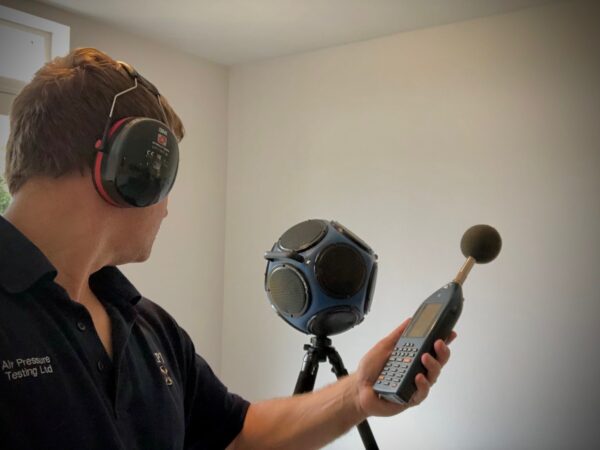
Why leaseholders need sound testing when changing carpet to wood
Many residential leases include covenants that either require carpets to be kept in place, or that any change to a hard floor finish must demonstrate equivalent sound insulation performance to the original construction. The reason is simple: carpet reduces impact noise (footsteps, moving furniture) and helps reduce airborne noise; replacing it with wood typically increases both impact and perceived noise in the flat below unless acoustic upgrades are provided during the construction works. Management companies and freeholders commonly demand acoustic evidence to prevent disputes and ensure compliance with lease or building-regulation requirements.
What pre-works and post-works sound testing involve
- Pre-works sound testing: baseline measurements are taken while the existing carpeted finish is in place to record current airborne and impact insulation performance. These results set the target to be met or improved after the new floor installation.
- Acoustic upgrades: the acoustic company can recommend tailored acoustic upgrades to increase the chance of passing the post-works sound testing.
- Post-works testing: performed after the installation and any acoustic upgrades, using the same test methods to provide a direct comparison with the baseline results aptsoundtesting.co.uk.
- Typical test standards and measurements: sound tests usually follow recognised methods for airborne and impact sound reduction. The sound test report, with show numerical results that can be compared against lease or Building Regulations/Part E targets or the pre-works baseline.
The client should always check test protocol, locations, and pass criteria with the management company before starting work so results are accepted without dispute, i.e. ensure both pre-works & post-work sound testing is carried out so direct comparisons can be made.
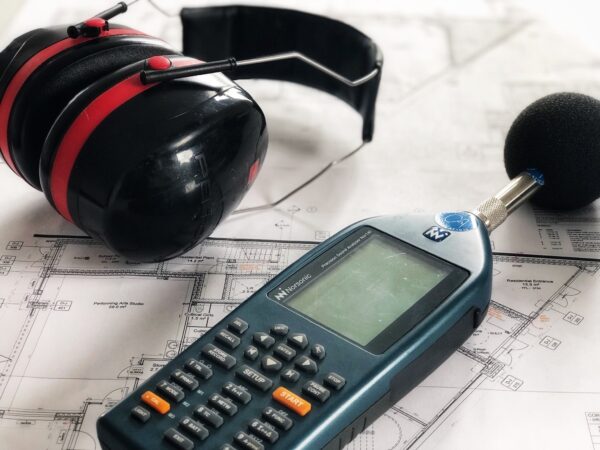
How to compare and complete the sound test results
- Match sound test conditions: ensure post-works sound tests replicate the pre-works setup (same receiver positions, doors/windows closed) so results are directly comparable.
- Compare airborne and impact sound insulation metrics:
- Airborne sound testing: should equal or exceed pre-works values.
- Impact sound testing: should be equal to or lower than the baseline.
- Produce a compliance report: include test certificates from an accredited sound tester, or a UKAS accredited test laboratory. Provide a Part E compliant pre & post works sound test reports, do the values can be compared.
- If post-works results fail, document remedial measures and re-test after corrections; common outcomes require adding or improving acoustic layers above and/or below the joists.
Keeping accurate, comparable records and accurate sound test reportage prevents later disputes and helps secure freeholder sign-off or a “Licence to Alter” outcome.
Contact us now
We provide a full professional sound testing service for leaseholders throughput London and the South East. We have previously undertake 1000’s of leaseholder sound tests, so we have a massive amount of experience in helping clients achieve compliance with their sound testing requirements:
Our service includes:
- UKAS accredited sound testing
- We only use the Class 1 Norsonic UKAS calibrated equipment
- Full complaint report which will be accepted by building control
- Acoustic design advice in the event of a test failure
For more information please contact us at info@aptsoundtesting.co.uk or call Darren direct on 07775623464.