
The accuracy of a BS8233 Noise Impact Assessment – also know as a BS8233 noise survey – depends heavily on how well the site is prepared before monitoring begins. BS8233:2014 requires noise data to be representative of the true baseline noise climate, meaning the environment must be suitable for reliable measurements. Below is a practical, preparation guide to help you prepare for your noise assessment.
1. Ensure Safe and Unrestricted Access to the Monitoring Location
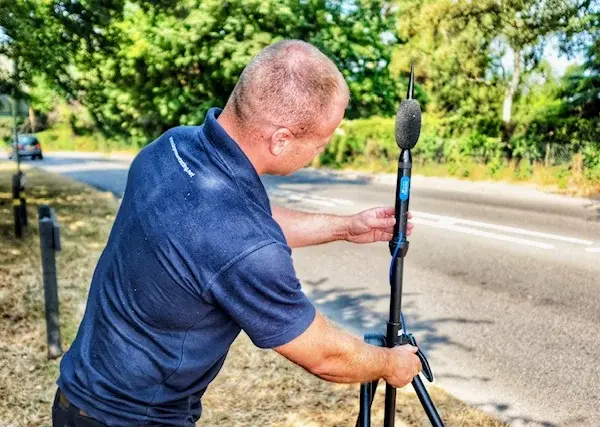
Noise monitoring equipment must be placed in a secure, representative position. To prepare:
- Provide clear access to the agreed monitoring point
- Ensure no obstructions (stored materials, vehicles, temporary structures)
- Confirm the area is safe, dry, and free from hazards
- Avoid locations where equipment may be tampered with
This ensures the microphone captures accurate baseline noise levels.
2. Maintain Normal Site Conditions
BS8233 requires noise measurements to reflect typical conditions. Therefore:
- Do not alter normal site operations unless instructed
- Avoid temporary noise sources (contractors, generators, radios)
- Ensure no unusual activities occur during the survey period
The goal is to capture the true ambient noise climate.
3. Avoid Short‑Term or Artificial Noise Sources
To prevent skewed results:
- Switch off temporary plant or equipment not normally in use for the duration of the survey
- Avoid deliveries or construction activities during installation
- Keep windows and doors in their usual positions (open/closed as typical)
This helps ensure the data reflects realistic long‑term noise exposure for the proposed building facade
4. Confirm Power Availability (If Required)
A BS8233 noise surveys use autonomous Class 1 meters, but some setups may require:
- A stable 240V mains supply
- A safe indoor location for powered equipment
- No reliance on generators (they introduce noise and voltage instability)
If mains power is needed, ensure it is available before the survey date.
5. Provide Accurate Site Information
Before the survey, supply:
- Site layout plans
- Proposed development drawings
- Operating hours (for commercial uses)
- Details of any known noise sources such as industrial buildings, public bars etc.
- Access instructions and contact details
This allows the consultant to select the correct monitoring positions and duration.
6. Secure the Monitoring Equipment
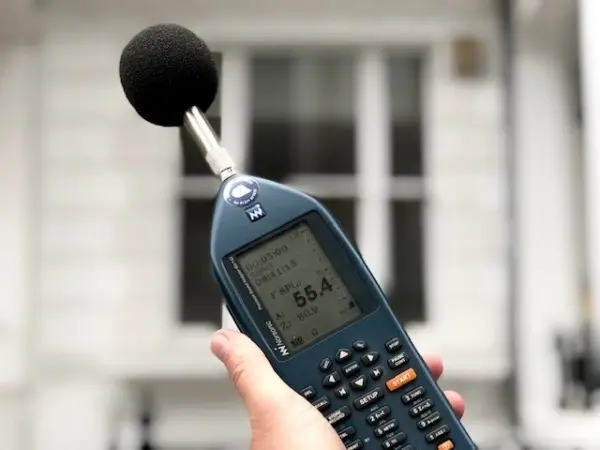
If equipment is left for 24 hours or longer:
- Ensure the area is secure from theft or interference
- Notify staff or tenants that monitoring is in progress
- Avoid touching or moving the equipment
Any disturbance can invalidate the data.
7. Inform Neighbours or Occupants (If Necessary)
For residential or mixed‑use sites:
- Let occupants know monitoring will take place
- Request they avoid unusual noise during installation
- Reassure them the equipment is safe and non‑intrusive
This helps prevent accidental interference.
8. Prepare for Weather Considerations
Weather can affect noise measurements. Ideally:
- Avoid extreme wind or heavy rain
- Ensure the microphone has a wind shield
- Confirm the equipment is protected from direct rain
Your consultant will advise if conditions are unsuitable.
9. Allow Sufficient Monitoring Time
Most BS8233 noise surveys require:
- 24‑hour monitoring for residential developments
- Longer periods for mixed‑use or commercial schemes
- Additional nighttime measurements if required by Environmental Health
Ensure the site remains accessible throughout the monitoring period.
Summary: What Clients Must Do Before a BS8233 Survey
To prepare effectively:
- Provide safe access
- Maintain normal site conditions
- Avoid temporary noise sources
- Ensure power availability (if needed)
- Supply drawings and site information
- Protect the equipment
- Inform occupants
- Maintain typical environmental conditions
- Consider weather
- Allow full monitoring duration
This ensures the noise data is accurate, representative, and fully compliant with BS8233:2014.
Contact Us Now for Your BS8233 Noise Impact Assessment
If you need a BS8233 Noise Impact Assessment, our UKAS‑accredited acoustic consultants are here to help. With over 25 years of industry experience, we provide fast, friendly and fully compliant noise surveys across London and the South East.
Whether you’re submitting a planning application, discharging a noise condition, or assessing a new development, we deliver accurate BS8233 noise monitoring and clear, reliable reports that meet all local authority requirements.
Email: info@aptsoundtesting.co.uk
Call Darren: 07775 623464
Checklist: BS8233 Noise Assessment Checklist