
Sound Testing FAQs: Everything you need to know before your Part E Sound Test
Preparing properly for your sound insulation testing can make the difference between passing first time and facing costly delays, remedial works, and repeat testing. Below, we’ve answered some of the most common questions we receive about Part E sound testing, helping developers, contractors, and homeowners understand exactly what’s required before testing day.
Is My Project Ready for a Sound Test?
For most projects, all dwellings should be at least at second-fix stage before testing can take place. Internal finishes should be substantially complete, and all elements that contribute to the acoustic performance of walls and floors must be fully installed.
For a complete list of requirements, please download our Sound Testing Checklist, which explains how to prepare your development for successful Part E sound insulation testing.
Will Sound Testing Disrupt Other Site Works?
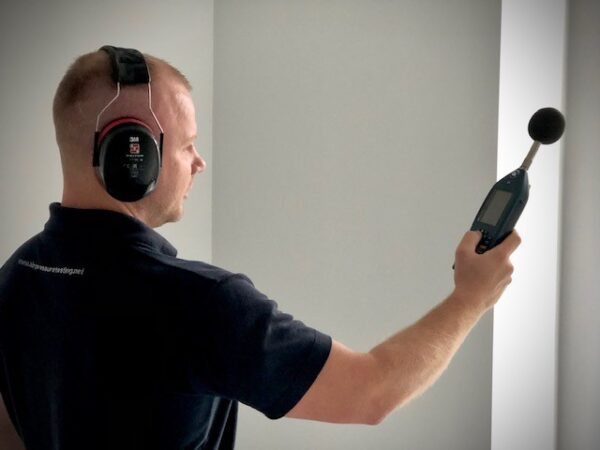
During a sound insulation test, specialist loudspeakers are used to generate high noise levels within the test rooms. To obtain accurate measurements of airborne and impact sound insulation, quiet conditions are required throughout the testing process.
This means:
- Operatives working within the test area will need to leave temporarily.
- Noisy construction activities close to the test rooms must be paused.
- Access to all relevant plots will be required during the testing.
The good news is that testing is usually completed quickly. Most houses and apartments can be tested within one to two hours, depending on the size and complexity of the development.
Do I Need to Inform My Neighbours About the impending Sound Testing?
Yes. If your property shares walls or floors with occupied neighbouring properties, advance notice should always be provided.
To comply with Approved Document E of the Building Regulations, our acoustic engineers may require access to neighbouring dwellings to perform the sound tests. It is therefore essential that access arrangements are agreed before the testing date to avoid delays.
Do All Doors and Windows Need to Be Installed?
Absolutely.
All internal and external doors, windows, and associated ironmongery should be fully installed and operational before testing begins.
Even small openings can significantly affect acoustic performance and lead to inaccurate results or test failures. Ensuring the building envelope is complete is one of the most important steps in preparing for a successful Part E sound test.
What If I Only Have a 110-Volt Power Supply on Site?
Unfortunately, our sound testing equipment requires a standard 240V electrical supply.
If only a 110V supply is available, the testing cannot proceed. We recommend confirming power availability before booking your test to prevent unnecessary delays or abortive visit charges.
Can You Help Improve My Chances of Passing the Sound Test?
Yes.
One of the most effective ways to avoid a sound test failure is to seek acoustic design advice early in the project.
Our experienced acoustic consultants can review:
- Floor and wall constructions
- Architectural drawings
- Building sections and details
- Junction treatments
- Flanking paths
- Acoustic floor systems
By identifying potential acoustic weaknesses before construction is complete, we can often recommend simple improvements that significantly reduce the risk of failure during sound insulation testing.
Early acoustic input is particularly beneficial for:
- Apartments and flats
- House conversions
- Office-to-residential conversions
- Mixed-use developments
- Student accommodation schemes
Do You Have a Sound Testing Checklist?
Yes.
To help ensure your project is fully prepared, we have created a comprehensive checklist covering the most common issues that can affect Part E sound testing.
👉 Download our Sound Test Checklist here:
Download the APT Sound Testing Checklist
Our Acoustic Testing Equipment
At APT Sound Testing, we invest in the latest UKAS-calibrated acoustic testing equipment to ensure our clients receive accurate, reliable, and fully compliant sound insulation test results.
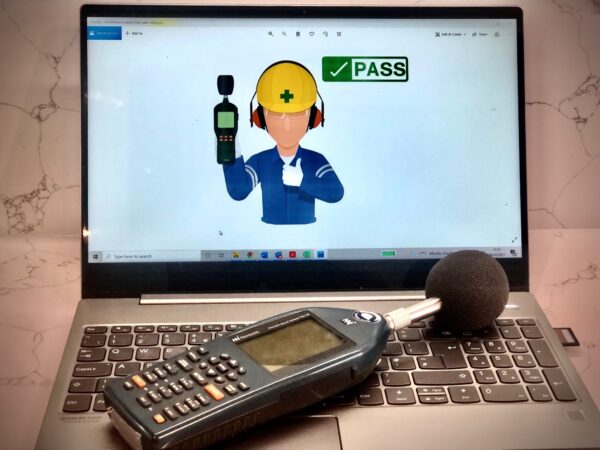
Our acoustic engineers use professional Norsonic sound testing equipment, which is widely recognised throughout the acoustics industry for its precision, durability, and compliance with the latest testing standards. This state-of-the-art equipment enables us to undertake both airborne sound insulation testing and impact sound testing in accordance with the requirements of Approved Document E of the Building Regulations and relevant British Standards.
Regular UKAS calibration of our equipment provides complete confidence that all sound measurements are accurate, traceable, and suitable for Building Control submissions. By combining industry-leading Norsonic technology with the expertise gained from thousands of successful sound tests, we are able to deliver dependable acoustic testing services across residential, commercial, and mixed-use developments throughout the UK.
Whether you require Part E Sound Testing, pre-completion testing, acoustic consultancy, or assistance with a sound test failure, our investment in the latest acoustic testing technology helps ensure the highest standards of service and technical accuracy.
Pass Your Sound Test First Time
Achieving compliance with Building Regulations Part E doesn’t have to be complicated.
At APT Sound Testing, we have successfully undertaken thousands of sound insulation tests across London, the Home Counties, and throughout the UK. Our experienced acoustic consultants work with developers, architects, builders, and homeowners to ensure projects meet the required acoustic standards before testing takes place.
By considering sound insulation, acoustic design, and potential flanking sound transmission issues early in the construction process, you can significantly improve your chances of passing your Part E sound test at the first attempt.
Whether you require:
- Part E Sound Insulation Testing
- Airborne Sound Testing
- Impact Sound Testing
- Acoustic Design Advice
- Pre-Completion Testing
- Building Acoustics Consultancy
- Soundproofing Advice
our team is here to help.
For more information about our Acoustic Design Services, visit: Acoustic Design Services and For more information about our Part E Sound Insulation Testing Services, visit: Part E Sound Insulation Testing
Contact APT Sound Testing Today
📧 Email: info@aptsoundtesting.co.uk
📞 Call Darren Direct: 07775 623464
🌐 Website: https://aptsoundtesting.co.uk
Alternatively, if you would like further guidance on preparing for your sound insulation testing, simply download our Sound Test Checklist for expert advice on achieving a successful first-time pass.
About the Author
Darren Helliwell is an acoustic compliance specialist with over 25 years of experience delivering Sound Insulation Testing, Part E Sound Testing, Airborne Sound Testing, Impact Sound Testing, and Acoustic Consultancy services across the UK.
As Director of APT Sound Testing, Darren has helped developers, contractors, architects, and homeowners achieve compliance with Building Regulations Part E, successfully completing thousands of tests on apartments, housing developments, conversions, and mixed-use schemes. Through his articles and technical guidance, Darren shares practical advice on sound insulation, acoustic design, soundproofing, and achieving first-time compliance.
Connect with Darren Helliwell
🌐 Website: https://aptsoundtesting.co.uk/
🔊 Sound Insulation Testing: https://aptsoundtesting.co.uk/sound-insulation-testing/
📊 Acoustic Consultancy: https://aptsoundtesting.co.uk/services/acoustic-design-services/
📧 Email: info@aptsoundtesting.co.uk
📞 Telephone: 07775 623464
🔗 LinkedIn: https://www.linkedin.com/in/darren-helliwell-78789b26