
BREEAM VOC Testing: A Complete Guide to Achieving Hea 02 Indoor Air Quality Credits
BREEAM VOC Testing is a critical element of achieving Indoor Air Quality credits under the BREEAM assessment scheme. As buildings become increasingly airtight and energy efficient, ensuring good indoor air quality has become more important than ever. Volatile Organic Compounds (VOCs) released from construction materials, furnishings, paints, adhesives and finishes can significantly impact occupant health, wellbeing and building performance.
This guide explains everything you need to know about BREEAM VOC testing, including what VOCs are, why testing is required, the Hea 02 requirements, testing methodologies, common causes of failure and how to maximise your chances of achieving BREEAM credits.
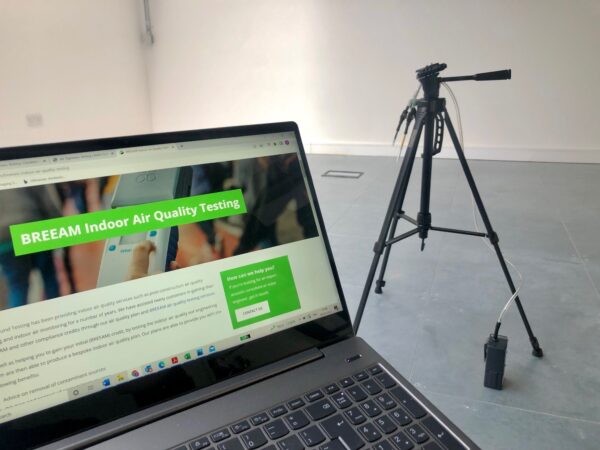
What is BREEAM VOC Testing?
BREEAM VOC Testing is a post-construction air quality assessment that measures the concentration of Volatile Organic Compounds (VOCs) within a completed building to demonstrate compliance with the BREEAM Indoor Air Quality requirements.
The testing forms part of the Hea 02 Indoor Air Quality credit and helps verify that the completed building provides a healthy environment for future occupants.
BREEAM recognises that many construction products emit chemicals into the indoor environment. VOC testing provides an independent means of confirming that these emissions remain below the required limits before occupation.
What are VOCs?
Volatile Organic Compounds (VOCs) are chemicals that evaporate into the air at room temperature.
Common sources include:
- Paints and coatings
- Adhesives and sealants
- Flooring materials
- Carpets and underlays
- Joinery products
- Furniture
- Composite wood products
- Cleaning chemicals
- Wall finishes
- Ceiling tiles
Whilst many VOCs occur naturally, elevated indoor concentrations can affect indoor air quality and occupant comfort.
Potential symptoms associated with poor indoor air quality include:
- Headaches
- Eye irritation
- Fatigue
- Dizziness
- Respiratory irritation
- Reduced occupant comfort
Why is VOC Testing Important for BREEAM?
BREEAM places a strong emphasis on occupant health and wellbeing.
The Indoor Air Quality credits are designed to encourage project teams to:
- Select low-emission construction products
- Improve ventilation performance
- Minimise indoor pollutants
- Create healthier buildings
- Improve long-term occupant wellbeing
Undertaking VOC testing demonstrates that the building performs as designed and that pollutant levels remain within acceptable limits before occupation.
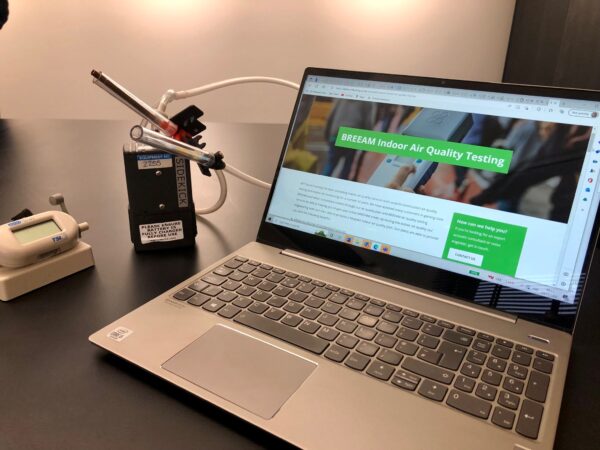
Which BREEAM Credit Covers VOC Testing?
VOC testing is generally associated with:
Hea 02 Indoor Air Quality
This assessment category aims to improve indoor environmental quality and reduce exposure to potentially harmful pollutants.
The credit typically requires:
- An Indoor Air Quality Plan
- Appropriate ventilation design
- Control of contaminant sources
- Low-emission material selection
- Post-construction indoor air quality testing
What Does BREEAM VOC Testing Measure?
Testing commonly includes measurement of:
Total Volatile Organic Compounds (TVOC)
TVOC represents the combined concentration of airborne volatile organic compounds within the sampled environment.
Formaldehyde
Formaldehyde is one of the most closely monitored indoor contaminants due to its widespread use in construction products, timber-based boards and furniture.
Depending on the project requirements, additional compounds may also be analysed.
When Should BREEAM VOC Testing Be Carried Out?
The timing of VOC testing is critical
Testing should normally be undertaken when:
- Construction works are complete
- Decorating works are finished
- Floor finishes have been installed
- Fixed furniture has been installed where applicable
- Ventilation systems are operational
- The building has been cleaned
- The building remains unoccupied
Testing too early is one of the most common reasons for elevated VOC readings.
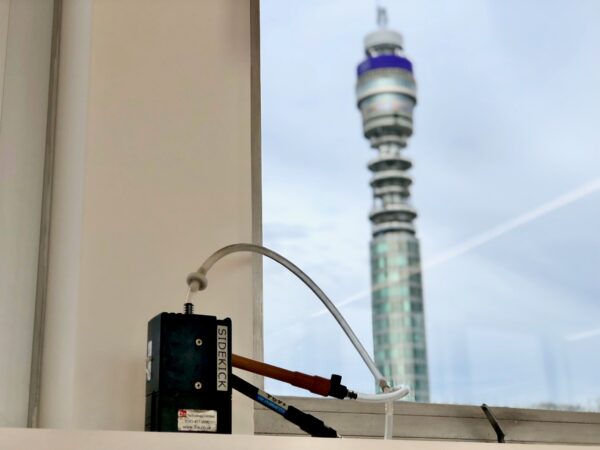
How is BREEAM VOC Testing Carried Out?
A typical testing process includes:
1. Site Inspection
The building is reviewed and suitable sampling locations are selected.
Areas chosen should be representative of the proposed occupancy.
2. Air Sampling
Specialist equipment is used to collect air samples from designated locations.
Samples are carefully controlled and recorded to ensure compliance with the relevant testing methodology.
3. Laboratory Analysis
The samples are analysed by an accredited laboratory to determine concentrations of:
- Total VOCs (TVOC)
- Formaldehyde
- Additional compounds where required
4. Reporting
A comprehensive report is produced which can be submitted to the BREEAM Assessor as supporting evidence.
Common Reasons Why Buildings Fail VOC Testing
Many VOC failures occur for predictable reasons.
Common causes include:
Recent Decoration
Fresh paint, sealants and coatings often generate elevated VOC levels.
New Flooring
Many flooring adhesives continue to release VOCs for several weeks after installation.
Inadequate Ventilation
Poor ventilation can prevent contaminants from being diluted and removed from the building.
Excessive Use of Sealants
Large quantities of mastic and sealants are often used during the final stages of construction.
Furniture Installation
New furniture can significantly increase VOC concentrations immediately following installation.
How to Improve VOC Test Results
Project teams can often improve performance through:
- Early Indoor Air Quality planning
- Selecting low-emission materials
- Allowing sufficient curing periods
- Implementing building flush-out procedures
- Increasing ventilation rates prior to testing
- Avoiding late material substitutions
- Maintaining good housekeeping during construction
Indoor Air Quality Plans and BREEAM Compliance
An effective Indoor Air Quality Plan (IAQP) should be developed at an early stage of the project.
The IAQP may include:
- Source control measures
- Ventilation strategies
- Material specifications
- Construction phase controls
- Testing requirements
- Occupation strategies
A well-prepared IAQ Plan can significantly reduce the risk of VOC test failures.
Why Choose APT for BREEAM VOC Testing?
APT provides nationwide BREEAM VOC Testing and Indoor Air Quality Testing services for commercial, residential, healthcare, education and industrial developments.
Our services include:
- BREEAM VOC Testing
- Formaldehyde Testing
- Indoor Air Quality Testing
- Indoor Air Quality Plans
- Air Quality Monitoring
- UK-wide Site Coverage
- Fast Turnaround Reporting
- BREEAM Compliance Guidance
Our experienced team works closely with developers, architects, contractors and sustainability consultants to help projects achieve BREEAM Indoor Air Quality credits and minimise delays at handover.
Frequently Asked Questions
What does VOC stand for?
VOC stands for Volatile Organic Compound, a chemical that can be released from construction materials, finishes and furnishings into indoor air.
Is VOC testing mandatory for BREEAM?
VOC testing may be required where the project team is pursuing specific Indoor Air Quality credits under the BREEAM assessment.
What is TVOC?
TVOC stands for Total Volatile Organic Compounds, representing the combined concentration of VOCs present within the indoor environment.
When should BREEAM VOC Testing take place?
Testing should generally be undertaken after construction completion, commissioning and cleaning but before occupation.
Who can carry out BREEAM Hea 2 Testing?
Testing should be undertaken by competent specialists using appropriate sampling methodologies and accredited laboratory analysis.
Contact APT Sound Testing
If you require BREEAM VOC Testing, Indoor Air Quality Testing, or guidance on achieving BREEAM Hea 02 Indoor Air Quality Credits, contact APT Sound Testing today. Our experienced consultants can help ensure your project achieves compliance whilst delivering a healthy indoor environment for future occupants.
Call: 07775623464
Email: info@aptsoundtesting.co.uk
Website: https://www.aptsoundtesting.co.uk
About the Author – Darren Helliwell
Darren Helliwell is a Director of APT Sound Testing and an experienced Indoor Air Quality, Air Tightness, Acoustic and Building Performance Consultant. Darren has helped developers, contractors, architects and sustainability consultants achieve compliance on projects ranging from bespoke residential developments to large-scale commercial, educational and heritage buildings.
Working within APT’s UKAS-accredited testing laboratory, Darren oversees the delivery of Indoor Air Quality Testing (IAQT), BREEAM Indoor Air Quality Assessments, Air Tightness Testing, Acoustic Testing, Smoke Shaft Testing and Building Performance Consultancy services. All testing is undertaken using UKAS-calibrated equipment, ensuring accurate, reliable and fully traceable results.
Over the years, Darren has been involved in the delivery of Indoor Air Quality and environmental testing services on a wide range of prestigious developments, including projects at The Heal’s Building, London, and the Imperial War Museum, amongst many other commercial, residential and public sector schemes throughout the UK.
Darren is particularly passionate about helping clients understand the practical aspects of building performance and compliance. His approach combines technical expertise with clear, straightforward advice, helping project teams identify issues early, reduce project risks and achieve compliance with confidence.
As a regular contributor to the APT Sound Testing Knowledge Base, Darren writes on topics including:
- BREEAM Indoor Air Quality Testing
- VOC and Formaldehyde Testing
- Indoor Air Quality Plans (IAQPs)
- Air Tightness Testing
- Acoustic Design and Sound Insulation Testing
- Smoke Shaft Air Tightness Testing
- Thermal Imaging Surveys
- Building Performance and Compliance
Whether assisting with a single dwelling or a complex multi-million-pound development, Darren’s focus remains the same: providing high-quality testing, practical solutions and exceptional client support.
Related Services
- BREEAM Indoor Air Quality Testing
- Indoor Air Quality Testing
- Air Tightness Testing
- Acoustic Testing
- Smoke Shaft Testing
- Thermal Imaging Surveys
- Building Performance Consultancy
Author: Darren Helliwell, Director, APT Sound Testing Ltd.